

Teflon Tape Explained: Glass Cloth vs. Skived PTFE, and How to Choose
"Teflon tape" is one name that covers at least three very different products. There is the thin white tape plumbers wrap around pipe threads. There is the tan woven tape living on heat sealer bars. And there is the slippery pure film wrapped around rollers and chutes. All three are PTFE. Almost everything else about them is different, and buying one when you need another is a common and avoidable mistake.
This guide explains the industrial types, glass cloth and skived PTFE, how they are made, where each one belongs, and how to pick a thickness. Specs quoted come from our product pages, which note they are manufacturer specs and are not tested for accuracy.
Start here: Shop the PTFE Teflon Tape collection | Request a free sample
First, the Name
Teflon is a brand name for PTFE (polytetrafluoroethylene), the non-stick, heat-resistant, chemically inert plastic. Industrial tapes are sold by construction, not by the brand name, so it helps to shop by what the tape is made of: a woven fiberglass cloth coated with PTFE, a solid film of pure PTFE, or a non-adhesive thread seal tape. The adhesive matters too. The industrial tapes in this guide use high-temperature silicone adhesive and run from -100°F to 500°F.
Type 1: PTFE Glass Cloth Tape
Glass cloth tape starts as woven fiberglass fabric, warp and fill yarns like a textile. The cloth is impregnated with PTFE and coated with silicone adhesive. The cloth gives it dimensional stability and serious breaking strength. The PTFE surface gives it release, low friction, and chemical resistance. This is the workhorse for flat, hot, abrasive jobs.
It is sold three ways:
- With liner (WL): a release liner protects the adhesive, which helps with precise placement, die cutting, and large surfaces
- Self wound (SW): no liner, wound on itself, faster for wrapping and maintenance. The 1/2 inch and 3/4 inch widths come self wound
- Without adhesive (NA): the coated fabric alone, for release sheets, covers, curtains, and gaskets that get fastened in place
| Model | Total thickness | Adhesion | Breaking strength (warp) | Best for |
|---|---|---|---|---|
| TFE28 | 5 mil | 43 oz/in | 100 lb/in | Vacuum sealers, heat sealing bars, electrical insulation |
| TFE46 | 6.8 mil | 36 oz/in | 135 lb/in | General heat sealing and insulating work |
| TFE54 | 8.4 mil | 40 oz/in | 150 lb/in | Chute liners, guide rails, heavier wear |
| TFE91 | 12.1 mil | 60 oz/in | 290 lb/in | Gaskets, roll covers, the heaviest wear |

Type 2: Skived PTFE Film Tape
Skived tape is pure PTFE with no cloth inside. A solid billet of PTFE is shaved into a thin film, then coated with silicone adhesive and wound on itself without a liner. Without the woven backing, the film stretches and conforms: it wraps tight bends, irregular shapes, wires, and rollers in a way glass cloth cannot. The trade is raw strength and stability, which is why the two types are not interchangeable.
| Model | Film thickness | Elongation | Dielectric strength | Best for |
|---|---|---|---|---|
| SPTFE2HD | 2 mil (3.5 mil total) | 147% | 3,414 V/mil | Electrical wraps, coil separators, transformers, slot liners |
| SPTFE5 | 5 mil (7.2 mil total) | 200% | 12,000 V | Heat sealing jaws, pressure pads, rollers, mold release |
| SPTFE10 | 10 mil (11.5 mil total) | 300% | 20,000 V | Heavy mechanical wear, bearing surfaces, roll protection |
The 2 mil grade is a high-density tensilized film, stronger and less stretchy than standard skived film, which is why it is the electrical pick. The thicker grades trade a little dielectric rating per mil for a lot more wear life and conformability.

And the Plumber's Tape Is a Different Animal
PTFE thread seal tape (PTST35) has no adhesive at all. It is a thin 4 mil PTFE film you stretch and wrap around pipe threads, where it lubricates the fitting and fills the thread gaps for a leak-tight seal, up to 2,000 psi. It comes in standard density (about 0.26 g/cm3, for everyday plumbing) and high density (about 0.36 g/cm3, more PTFE per wrap for industrial and higher-pressure work), and it meets spec A-A-58092. Never substitute it for an adhesive PTFE tape on a machine, and never use machine tape on a pipe thread.
How to Choose Between Glass Cloth and Skived
- Flat surface, heat, and abrasion: glass cloth. Sealer bars, chutes, rails, and covers are its home ground
- Curves, wraps, and irregular shapes: skived film. Its elongation lets it hug the part instead of bridging over it
- Electrical insulation: both work. Glass cloth for flat insulation, SPTFE2HD for wraps, coils, and slot liners
- Thickness: go thicker for wear life, thinner for conformability and faster heat transfer. Match the thickness you are replacing before you experiment
- Release and low friction: both release well. Skived film has the slicker, more uniform surface for roll wrapping and web handling
Try It First: Request a Free Sample
Not sure which construction your application needs? Request a free sample and test it on the actual surface before you commit.
Go to Request A FREE Sample, enter the SKU of the product you want to test, add it to cart, and check out. Samples are free, but shipping is not included. Samples are for testing purposes, up to 4 inches wide and about 10 to 15 feet long.
Get started: Request your free sample here
Complete Your Kit
- PTFE Teflon Tape collection for every type in one place
- TFE28 glass cloth tape and TFE91 glass cloth tape for the light and heavy ends of the range
- SPTFE10 skived tape for heavy mechanical wear
- PTST35 thread seal tape for the plumbing crib
- Full pallet ordering for plant-wide stocking
Questions? Talk to Our Team
Learn more about Tape Providers, check our FAQ and shipping information, or contact us and describe the surface and the temperature, and we will point you at the right construction. You can also reach us on our contact page.
Final Thoughts
PTFE is the material. The construction is the decision. Glass cloth when the surface is flat, hot, and abrasive. Skived film when the part curves, wraps, or needs to slide. Thread seal only on threads. Pick by construction first and thickness second, and Teflon tape stops being confusing.
If you are unsure which type fits your application, our team can help you pick the right option.
Contact Tape Providers for product recommendations and technical support.
Ready to start? Shop PTFE Teflon Tape | Request a free sample
Teflon is a trademark of its respective owner. References are provided for product selection purposes only.
Product Catalog
-
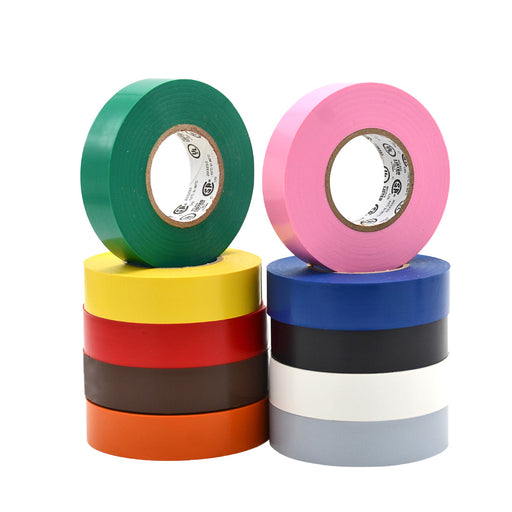 Original price $1.80 - Original price $401.70Original price $1.80 - Original price $401.70Original price $1.80As low as: $1.40$1.40 - $321.39Current price $1.40
Colored Electrical Tape - Standard Grade - 66 feet | ETC766MS
STANDARD GRADE ELECTRICAL TAPE Alternative to: Various industry standards such as Uline S-24477, S-17841, S-17842...
View full details -
 Original price $21.99 - Original price $579.99Original price $21.99 - Original price $579.99Original price $21.99As low as: $11.45$11.45 - $452.96Current price $11.45
Anti Slip Grip Tape 20 Yards | AST32
ANTI-SLIP GRIP TAPE Alternative to: Various industry standards such as Uline S-14682, S-17181, S-15798, 3M Safety ...
View full details -
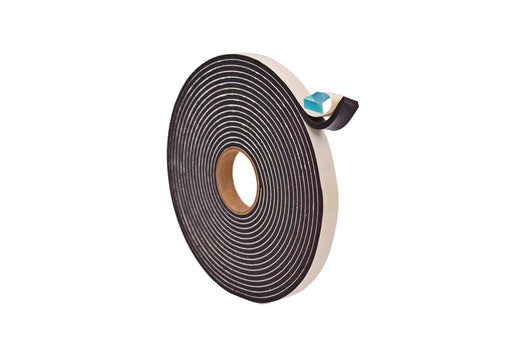 Original price $3.89 - Original price $627.20Original price $3.89 - Original price $627.20Original price $222.40As low as: $3.89$3.89 - $487.33Current price $3.89
Black PVC Foam Weather Stripping Tape | SSLDFT (Made in USA)
BLACK PVC FOAM STRIPPING TAPE Alternative to: Various industry standards such as Uline S-3791, S-10530, S-3792, S-1...
View full details -
 Original price $1.28 - Original price $209.45Original priceAs low as: $1.28$1.28 - $209.45Current price $1.28
5 Mil Vinyl Pinstripe Floor-Marking Tape - 36 yards | VTC365
VINYL PINSTRIPE FLOOR-MARKING TAPE Alternative to: Various industry standards such as Uline S-23886, S-23887, S-238...
View full details -
 Original price $4.80 - Original price $795.83Original priceAs low as: $4.80$4.80 - $795.83Current price $4.80
Engineering Grade Reflective Tape - 10 yards | RTC7
ENGINEERING GRADE REFLECTIVE TAPE Alternative to: Various industry standards such as Uline S-15789, S-6730, S-1579...
View full details -
 Original price $1.66 - Original price $601.04Original priceAs low as: $1.66$1.66 - $601.04Current price $1.66
Metalized Polyester Mylar Film Tape | MPFT1 (72 yd)
METALIZED TAPE - SHINY POLYESTER MYLAR FILM TAPE Alternative to: Various industry standards such as Uline 15881, 17...
View full details -
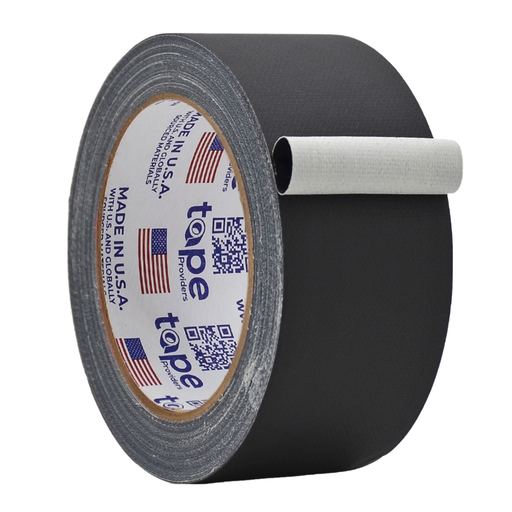 Original price $11.87 - Original price $446.40Original price $11.87 - Original price $446.40Original price $11.87As low as: $4.07$4.07 - $338.00Current price $4.07
Standard Grade - Colored Gaffer Tape - 60 FT | GTC12
STANDARD GRADE GAFFER TAPE Alternative to: Various industry standards such as Uline S-21257, S-21258, and more St...
View full details -
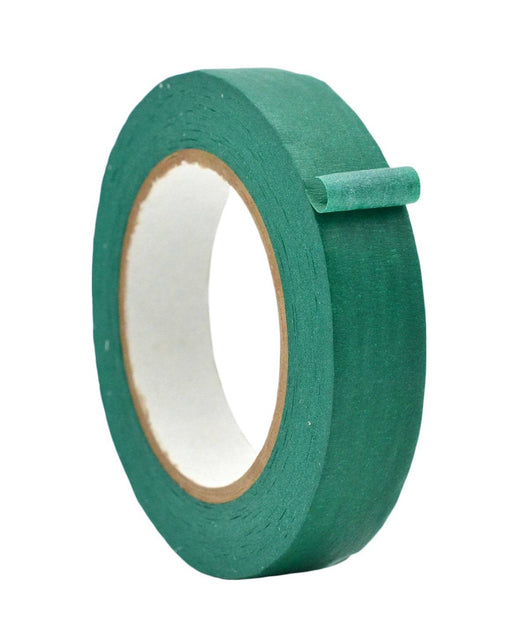 Original price $1.70 - Original price $254.26Original priceAs low as: $1.70$1.70 - $254.26Current price $1.70
Colored Masking Tape - All Purpose | MTC5 (Made in USA)
MTC5 COLORED MASKING TAPE Alternative to: Various industry standards such as Uline S-7161, S-15894, S-2489, S-2490,...
View full details -
 Original price $1.77 - Original price $151.77Original priceAs low as: $1.77$1.77 - $151.77Current price $1.77
Bi-Directional Filament Tape | BFST47
BI-DIRECTIONAL FILAMENT TAPE Alternative to: Various industry standards such as 3M 8959; IPG 745; Cantech 190; Sica...
View full details -
 Original price $259.45Original price $13.23 - Original price $259.45Original price $259.45As low as: $13.23$13.23 - $244.17Current price $13.23
Matte Black Aluminum Foil Tape With Liner | AFTB20A (2 Mil, 27 yd)
PREMIUM GRADE BLACK MATTE ALUMINUM FOIL TAPE WITH LINER Key Features: Matte Black Finish: Non-reflective, absorbs l...
View full details


Leave a comment