

PTFE Tape on Heat Sealers: How to Choose It, Apply It, and Know When to Replace It
Every heat sealer has a sacrificial part, and it is the tape. The PTFE tape on the sealing bar or jaw is the barrier between the heating element and your film. When it is fresh, bags release cleanly and seals come out even. When it wears, film starts sticking, seals go uneven, residue bakes onto the bar, and eventually the element itself takes damage that costs far more than a roll of tape.
This guide covers how to choose PTFE tape for a sealer, how to apply it so it lasts, and the signs that tell you it is time to change it. Specs quoted come from our product pages, which note they are manufacturer specs and are not tested for accuracy.
Start here: Shop TFE28 glass cloth tape | Request a free sample
What the Tape Does on a Sealer
- Release: molten film touches PTFE, not bare metal, so the bag lets go instead of welding itself to the bar
- Protection: the tape takes the heat cycles, pressure, and abrasion so the sealing bar and element do not
- Consistency: a smooth, intact surface spreads pressure evenly, which is what makes seal after seal come out the same
PTFE glass cloth is the standard construction for this job: woven fiberglass impregnated with PTFE, silicone adhesive, rated -100°F to 500°F. It stays dimensionally stable on a hot bar, cycle after cycle.
Choosing the Right Tape
Thickness: heat transfer vs. wear life
Thinner tape passes heat to the film faster and can give a crisper seal at lower settings. Thicker tape survives more cycles before it wears through. Match what the machine maker specifies, then adjust one step at a time if you are chasing life or speed:
- TFE28, 5 mil: the vacuum sealer and light-duty pick, 43 oz/in adhesion, fits virtually all FoodSaver, Weston, Nesco, and Seal-A-Meal style machines
- TFE46, 6.8 mil: the general heat sealing bar grade, a balance of heat transfer and durability
- TFE54, 8.4 mil: for heavier cycles and more abrasion on the bar
- SPTFE5 skived film, 5 mil: for sealing jaws and pressure pads where the surface curves or the tape needs to conform
Width and placement
Cover the full seal area with margin on both sides, so the film never touches bare bar at the edge of the seal. Placement depends on the machine design: on vacuum sealers the tape typically goes over the wire, and on many impulse sealers it goes under the wire. Always confirm the required dimensions and installation method for your specific machine before ordering.
Construction
Adhesive versions come with a liner for precise placement on wide bars, or self wound for fast maintenance changes. The 1/2 inch and 3/4 inch widths are supplied self wound. If your setup clamps a plain release sheet instead, the same glass cloth is available without adhesive.

How to Apply It
- Power off and let the bar cool. Never change tape on a hot or live sealer.
- Strip the old tape completely. Peel it off and remove baked-on residue so the new tape sits flat. Residue left behind becomes a bump under every seal.
- Clean and dry the bar. The silicone adhesive needs a clean surface. Wipe away film dust, adhesive remains, and oils, and let it dry.
- Cut to length before you peel. Measure the bar and cut the tape a little long, then trim after placement. Working from the roll against a bar invites wrinkles.
- Apply from the center outward. Set one edge, then smooth the tape down with firm pressure, working bubbles and wrinkles out as you go. Do not stretch glass cloth tape; it does not forgive it, and a stretched section seals unevenly.
- Seat the edges. Press the edges down firmly. A lifted edge catches film and starts the peel that ruins the strip.
- Run test seals. Seal a few empty bags or scrap film and check for even, clean release before production resumes.
6 Signs It Is Time to Replace the Tape
| What you see | What it usually means |
|---|---|
| Film or bags sticking to the bar | The PTFE surface is worn or burned through in the seal zone |
| Weak or uneven seals | Wrinkles, residue bumps, or a worn strip are breaking up the pressure |
| Holes or bare spots in the tape | The element is now exposed. Replace before the next run, not after it |
| Frayed or lifting edges | The strip is at end of life and will start catching product |
| Dark, hard residue that will not wipe off | Baked-on buildup is insulating the bar and throwing off seal temperature |
| You are raising the temperature to get a seal | The tape layer is spent. More heat shortens what life is left and risks the element |

Habits That Make Tape Last Longer
- Run the lowest temperature that seals. Every extra degree is paid for in tape life
- Wipe the bar on schedule. Residue removed early is a wipe. Residue left for a month is a scraper job
- Never scrape with metal. A nicked bar cuts every future strip of tape you put on it
- Change on a schedule, not on a failure. Track cycles or calendar time per machine and swap the tape during planned downtime
- Keep a spare roll at the machine. A two-minute tape change should never wait on a purchase order. Plants running several sealers can stock through full pallet ordering
Try It First: Request a Free Sample
Changing tape grades on a production sealer? Request a free sample and run it on one machine before you switch the line.
Go to Request A FREE Sample, enter the SKU of the product you want to test, add it to cart, and check out. Samples are free, but shipping is not included. Samples are for testing purposes, up to 4 inches wide and about 10 to 15 feet long.
Get started: Request your free sample here
Complete Your Kit
- PTFE Teflon Tape collection for all sealer grades
- TFE28 glass cloth tape for vacuum sealers
- TFE46 glass cloth tape for heat sealing bars
- SPTFE5 skived tape for jaws and pressure pads
- Full pallet ordering for multi-line plants
Questions? Talk to Our Team
Learn more about Tape Providers, check our FAQ and shipping information, or contact us with your sealer model and bar width and we will size the tape for you. You can also reach us on our contact page.
Final Thoughts
PTFE tape is the cheapest insurance a heat sealer has. Pick the thickness for your machine, apply it flat and wrinkle free on a clean bar, and replace it on the first signs of wear instead of the first failed seal. The tape is consumable. The bar and the element are not.
If you are unsure which grade fits your sealer, our team can help you pick the right option.
Contact Tape Providers for product recommendations and technical support.
Ready to start? Shop PTFE Teflon Tape | Request a free sample
Product Catalog
-
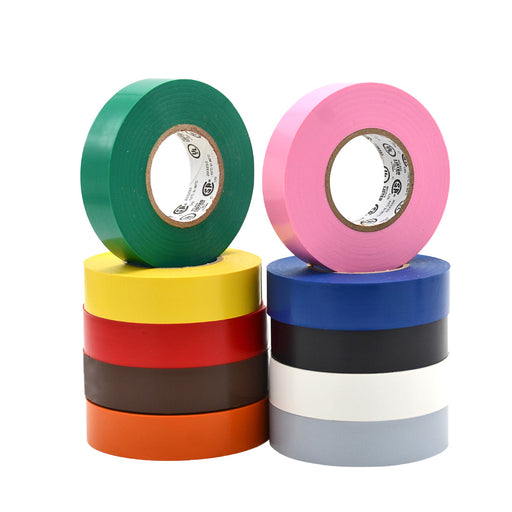 Original price $1.80 - Original price $401.70Original price $1.80 - Original price $401.70Original price $1.80As low as: $1.40$1.40 - $321.39Current price $1.40
Colored Electrical Tape - Standard Grade - 66 feet | ETC766MS
STANDARD GRADE ELECTRICAL TAPE Alternative to: Various industry standards such as Uline S-24477, S-17841, S-17842...
View full details -
 Original price $21.99 - Original price $579.99Original price $21.99 - Original price $579.99Original price $21.99As low as: $11.45$11.45 - $452.96Current price $11.45
Anti Slip Grip Tape 20 Yards | AST32
ANTI-SLIP GRIP TAPE Alternative to: Various industry standards such as Uline S-14682, S-17181, S-15798, 3M Safety ...
View full details -
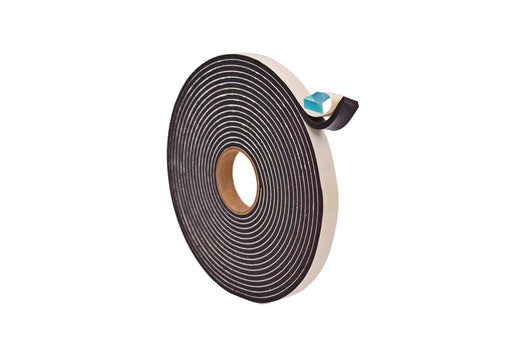 Original price $3.89 - Original price $627.20Original price $3.89 - Original price $627.20Original price $222.40As low as: $3.89$3.89 - $487.33Current price $3.89
Black PVC Foam Weather Stripping Tape | SSLDFT (Made in USA)
BLACK PVC FOAM STRIPPING TAPE Alternative to: Various industry standards such as Uline S-3791, S-10530, S-3792, S-1...
View full details -
 Original price $1.28 - Original price $209.45Original priceAs low as: $1.28$1.28 - $209.45Current price $1.28
5 Mil Vinyl Pinstripe Floor-Marking Tape - 36 yards | VTC365
VINYL PINSTRIPE FLOOR-MARKING TAPE Alternative to: Various industry standards such as Uline S-23886, S-23887, S-238...
View full details -
 Original price $4.80 - Original price $795.83Original priceAs low as: $4.80$4.80 - $795.83Current price $4.80
Engineering Grade Reflective Tape - 10 yards | RTC7
ENGINEERING GRADE REFLECTIVE TAPE Alternative to: Various industry standards such as Uline S-15789, S-6730, S-1579...
View full details -
 Original price $1.66 - Original price $601.04Original priceAs low as: $1.66$1.66 - $601.04Current price $1.66
Metalized Polyester Mylar Film Tape | MPFT1 (72 yd)
METALIZED TAPE - SHINY POLYESTER MYLAR FILM TAPE Alternative to: Various industry standards such as Uline 15881, 17...
View full details -
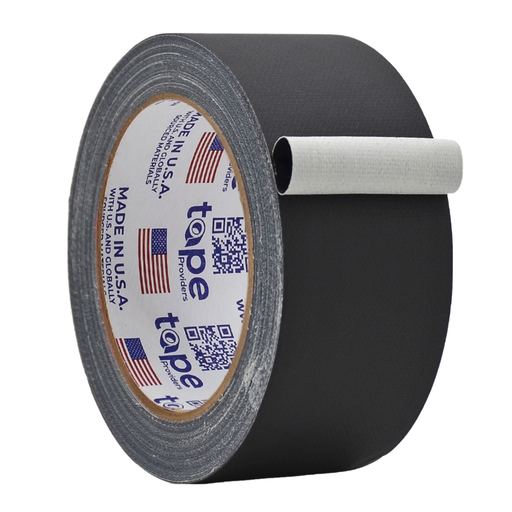 Original price $11.87 - Original price $446.40Original price $11.87 - Original price $446.40Original price $11.87As low as: $4.07$4.07 - $338.00Current price $4.07
Standard Grade - Colored Gaffer Tape - 60 FT | GTC12
STANDARD GRADE GAFFER TAPE Alternative to: Various industry standards such as Uline S-21257, S-21258, and more St...
View full details -
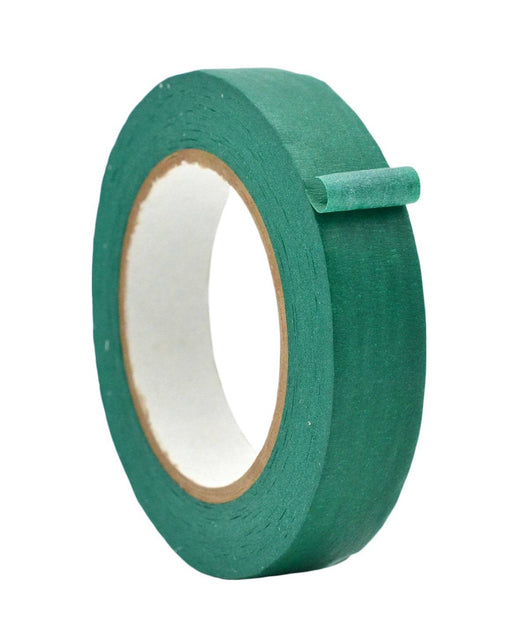 Original price $1.70 - Original price $254.26Original priceAs low as: $1.70$1.70 - $254.26Current price $1.70
Colored Masking Tape - All Purpose | MTC5 (Made in USA)
MTC5 COLORED MASKING TAPE Alternative to: Various industry standards such as Uline S-7161, S-15894, S-2489, S-2490,...
View full details -
 Original price $1.77 - Original price $151.77Original priceAs low as: $1.77$1.77 - $151.77Current price $1.77
Bi-Directional Filament Tape | BFST47
BI-DIRECTIONAL FILAMENT TAPE Alternative to: Various industry standards such as 3M 8959; IPG 745; Cantech 190; Sica...
View full details -
 Original price $259.45Original price $13.23 - Original price $259.45Original price $259.45As low as: $13.23$13.23 - $244.17Current price $13.23
Matte Black Aluminum Foil Tape With Liner | AFTB20A (2 Mil, 27 yd)
PREMIUM GRADE BLACK MATTE ALUMINUM FOIL TAPE WITH LINER Key Features: Matte Black Finish: Non-reflective, absorbs l...
View full details


Leave a comment