

How to Choose the Right Double-Sided Foam Tape
Double-sided foam tape is a versatile bonding solution used for mounting, glazing, cushioning, sound dampening, vibration reduction, and permanent bonding applications. However, not all foam tapes are designed for the same job.
Choosing the right double-sided foam tape depends on your surface type, required bond strength, foam thickness, indoor or outdoor conditions, and whether the tape is being used for temporary mounting, general bonding, or long-term attachment.
Start With the Application
Before choosing a double-sided foam tape, ask yourself what the tape needs to do:
- Do you need to mount a lightweight part or display?
- Are you glazing windows or panels?
- Do you need sound or vibration dampening?
- Are you filling a small gap between two surfaces?
- Do you need a permanent, high-strength bond?
- Are you bonding metal, plastic, glass, painted surfaces, or composites?
Once you know the application, it becomes easier to choose between PE foam tape, PE mounting foam tape, and ultra high bond foam tape.
1. Double-Sided PE Foam Tape for Glazing & General Mounting
Double-sided PE foam tape is a good choice for window glazing, general mounting, cushioning, and bonding applications. The polyethylene foam carrier helps fill small gaps between surfaces while the adhesive creates a reliable bond on both sides.
This type of foam tape is often used when you need a balance of adhesion, cushioning, and flexibility.
Best Uses
- Window glazing
- General mounting
- Displays and signs
- Plastic components
- Lightweight bonding applications
- Gap filling between smooth or slightly uneven surfaces
Recommended Products
- WOD Double-Sided PE Foam Tape for Window Glazing or Mounting Applications — Best for glazing, general mounting, and bonding applications where a dependable double-sided foam tape is needed.
- WOD Double-Sided PE Foam Tape - WGTP18 — Best when your glazing or mounting application requires this specific size or configuration.
2. PE Mounting Foam Tape for Sound & Vibration Dampening
PE mounting foam tape is designed for applications where the tape needs to bond materials while also helping reduce sound, vibration, rattling, or surface movement.
The main difference between these options is thickness. A thinner tape creates a lower-profile bond line, while a thicker tape provides more cushioning and gap filling.
How to Choose the Right Thickness
| Thickness | Best For | Shop |
|---|---|---|
| 1/32 inch | Low-profile mounting where a thinner bond line is preferred | Shop 1/32" PE Foam Tape |
| 1/16 inch | General mounting, sound dampening, and vibration dampening | Shop 1/16" PE Foam Tape |
| 1/8 inch | More cushioning, gap filling, and separation between surfaces | Shop 1/8" PE Foam Tape |
Best Uses
- Mounting parts or components
- Sound dampening
- Vibration dampening
- Reducing rattling between surfaces
- Cushioning panels or lightweight materials
- Filling small gaps on slightly uneven surfaces
3. Ultra High Bond Foam Tape for Permanent Bonding
Ultra high bond foam tape is designed for stronger, long-term bonding applications. It is a better choice when a standard PE foam tape may not provide enough holding power.
This type of tape is commonly used for metals, plastics, panels, trim, signage, electronics, and industrial assemblies. In many applications, ultra high bond foam tape can help reduce the need for mechanical fasteners such as screws, rivets, or welds.
Best Uses
- Permanent bonding
- Bonding thin sheet metals
- Bonding plastics
- Electronics and component assembly
- Signage and display mounting
- Industrial manufacturing
- Applications where screws or rivets are not ideal
Recommended Products
- 16 Mil White Ultra High Bond Foam Tape — Best for bonding thin sheet metals and plastics when a white tape is preferred.
- 16 Mil Gray Ultra High Bond Foam Tape — Best for electronics, components, and industrial bonding applications.
- Ultra High Bond Double-Sided Foam Tape - 10 Mil to 80 Mil — Best when you need multiple thickness options for a specific bonding application.
Quick Selection Guide
| If You Need To... | Choose This Tape Type | Recommended Products |
|---|---|---|
| Glaze windows or panels | Double-Sided PE Foam Tape | WGTP / WGTP18 |
| Mount lightweight parts or displays | Double-Sided PE Foam Tape | Shop PE Foam Tape |
| Reduce sound or vibration | PE Mounting Foam Tape | 1/16" PE Foam Tape |
| Create a low-profile bond line | Thin PE Mounting Foam Tape | 1/32" PE Foam Tape |
| Fill larger gaps or add more cushioning | Thicker PE Mounting Foam Tape | 1/8" PE Foam Tape |
| Create a permanent high-strength bond | Ultra High Bond Foam Tape | Shop Ultra High Bond Foam Tape |
| Bond thin sheet metals or plastics | Ultra High Bond Foam Tape | 16 Mil White UHB Foam Tape |
| Bond electronics or industrial components | Ultra High Bond Foam Tape | 16 Mil Gray UHB Foam Tape |
Other Factors to Consider
Surface Type
Smooth surfaces such as glass, metal, plastic, and painted materials usually allow for better adhesive contact. Rough or uneven surfaces may require a thicker foam tape to help fill gaps and improve contact.
Thickness
Thinner foam tapes are better for low-profile applications, while thicker foam tapes provide more cushioning, gap filling, and vibration dampening.
Bond Strength
For general mounting or glazing, PE foam tape may be enough. For long-term or permanent bonding, ultra high bond foam tape is usually the better option.
Indoor vs. Outdoor Use
Consider temperature, moisture, UV exposure, and surface movement. For demanding environments, choose a tape designed for stronger long-term performance.
Final Recommendation
For glazing and general mounting, start with double-sided PE foam tape.
For mounting applications where sound, vibration, cushioning, or thickness matters, choose a PE mounting foam tape based on the thickness needed.
For permanent, high-strength bonding, choose an ultra high bond foam tape.
Need Help Choosing?
If you are not sure which double-sided foam tape is right for your application, Tape Providers can help you compare options based on surface type, thickness, bond strength, and project requirements.
Contact us for product recommendations, technical support, samples, and volume pricing.
Product Catalog
-
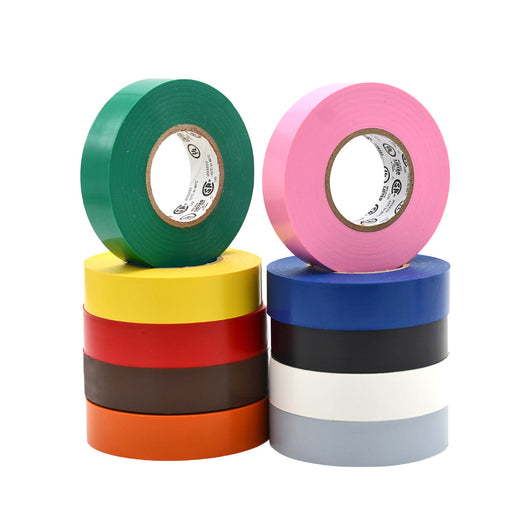 Original price $1.80 - Original price $401.70Original price $1.80 - Original price $401.70Original price $1.80As low as: $1.40$1.40 - $321.39Current price $1.40
Colored Electrical Tape - Standard Grade - 66 feet | ETC766MS
STANDARD GRADE ELECTRICAL TAPE Alternative to: Various industry standards such as Uline S-24477, S-17841, S-17842...
View full details -
 Original price $21.99 - Original price $579.99Original price $21.99 - Original price $579.99Original price $21.99As low as: $11.45$11.45 - $452.96Current price $11.45
Anti Slip Grip Tape | AST32
ANTI-SLIP GRIP TAPE Alternative to: Various industry standards such as Uline S-14682, S-17181, S-15798, 3M Safety ...
View full details -
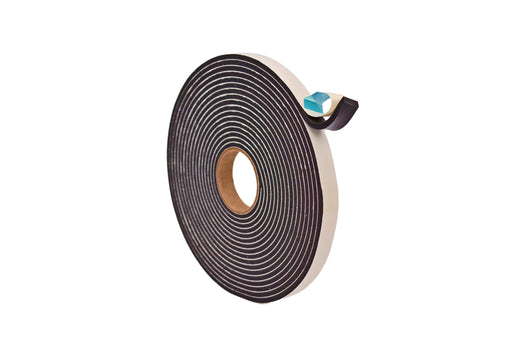 Original price $3.89 - Original price $627.20Original price $3.89 - Original price $627.20Original price $222.40As low as: $3.89$3.89 - $487.33Current price $3.89
Black PVC Foam Weather Stripping Tape | SSLDFT (Made in USA)
BLACK PVC FOAM STRIPPING TAPE Alternative to: Various industry standards such as Uline S-3791, S-10530, S-3792, S-1...
View full details -
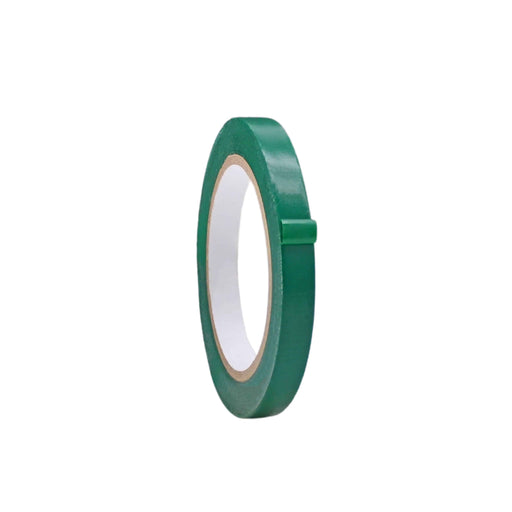 Original price $1.28 - Original price $209.45Original priceAs low as: $1.28$1.28 - $209.45Current price $1.28
5 Mil Vinyl Pinstripe Floor-Marking Tape - 36 yards | VTC365
VINYL PINSTRIPE FLOOR-MARKING TAPE Alternative to: Various industry standards such as Uline S-23886, S-23887, S-238...
View full details -
 Original price $4.80 - Original price $795.83Original priceAs low as: $4.80$4.80 - $795.83Current price $4.80
Engineering Grade Reflective Tape - 10 yards | RTC7
ENGINEERING GRADE REFLECTIVE TAPE Alternative to: Various industry standards such as Uline S-15789, S-6730, S-1579...
View full details -
 Original price $1.66 - Original price $601.04Original priceAs low as: $1.66$1.66 - $601.04Current price $1.66
Metalized Polyester Mylar Film Tape | MPFT1 (72 yd)
METALIZED TAPE - SHINY POLYESTER MYLAR FILM TAPE Alternative to: Various industry standards such as Uline 15881, 17...
View full details -
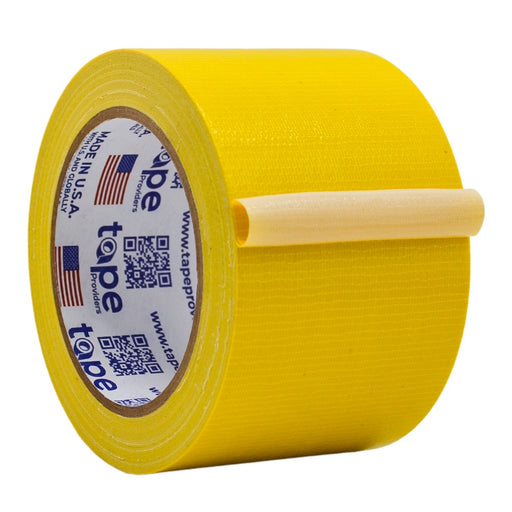 Original price $10.29 - Original price $158.23Original priceAs low as: $10.29$10.29 - $158.23Current price $10.29
Industrial Grade - Colored Duct Tape - 60FT | DTC10 (2.5" to 6" wide)
INDUSTRIAL GRADE DUCT TAPE Alternative to: Various industry standards such as Uline S-6519, S-377; S-6519Tesa 6466...
View full details -
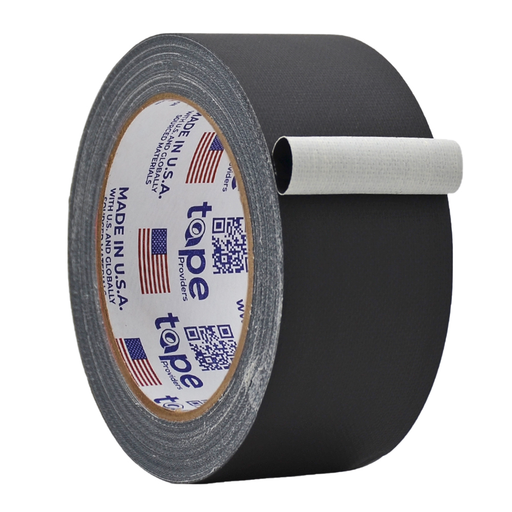 Original price $11.87 - Original price $446.40Original price $11.87 - Original price $446.40Original price $11.87As low as: $4.07$4.07 - $338.00Current price $4.07
Standard Grade - Colored Gaffer Tape - 60 FT | GTC12
STANDARD GRADE GAFFER TAPE Alternative to: Various industry standards such as Uline S-21257, S-21258, and more St...
View full details -
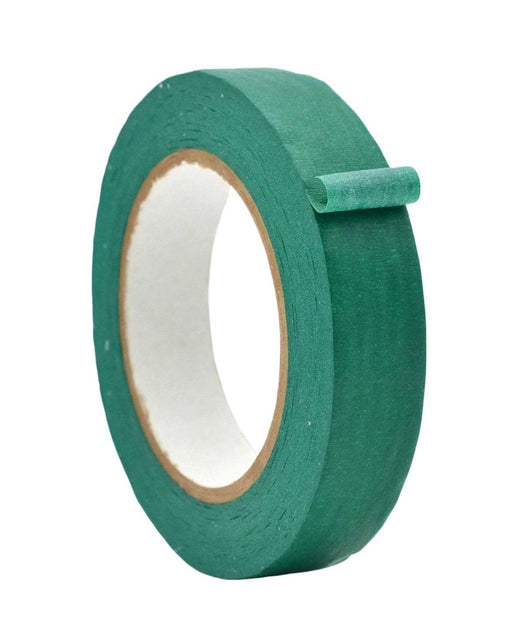 Original price $1.70 - Original price $254.26Original priceAs low as: $1.70$1.70 - $254.26Current price $1.70
Colored Masking Tape - All Purpose | MTC5 (Made in USA)
MTC5 COLORED MASKING TAPE Alternative to: Various industry standards such as Uline S-7161, S-15894, S-2489, S-2490,...
View full details -
 Original price $1.77 - Original price $151.77Original priceAs low as: $1.77$1.77 - $151.77Current price $1.77
Bi-Directional Filament Tape | BFST47
BI-DIRECTIONAL FILAMENT TAPE Alternative to: Various industry standards such as 3M 8959; IPG 745; Cantech 190; Sica...
View full details


Leave a comment