

Can Foam Tape Replace Screws and Rivets?
For decades, screws, rivets, welds, and other mechanical fasteners have been the standard method for joining materials. Today, advances in adhesive technology have made high-performance foam tapes a reliable alternative for many mounting and bonding applications.
But can foam tape really replace screws and rivets?
The answer is: yes, in many applications. The key is choosing the right foam tape and understanding when adhesive bonding is appropriate.
Why Manufacturers Are Replacing Mechanical Fasteners
Traditional fasteners work well, but they also create challenges.
- Drilling holes can weaken materials.
- Screws and rivets can create stress concentration points.
- Mechanical fasteners may loosen over time due to vibration.
- Installation often requires additional labor and equipment.
- Visible fasteners can negatively impact appearance.
High-performance foam tapes offer an alternative that distributes stress across the entire bonded surface rather than concentrating force at a few attachment points.
When Foam Tape Can Replace Screws and Rivets
Ultra high bond foam tape is commonly used in applications such as:
- Architectural panels
- Metal trim attachment
- Signage installation
- Plastic panel bonding
- Electronics assembly
- Display mounting
- Automotive trim attachment
- Industrial manufacturing
In these applications, a properly selected foam tape can provide excellent long-term holding power while eliminating the need for visible fasteners.
Benefits of Using Foam Tape Instead of Screws or Rivets
1. No Holes Required
Mechanical fasteners require drilling, punching, or machining holes into materials. Foam tape bonds directly to the surface without damaging the substrate.
2. Better Appearance
Foam tape creates a clean, hidden bond line without exposed screw heads or rivets, making it ideal for architectural, retail, signage, and display applications.
3. Reduced Vibration
Unlike rigid fasteners, foam tape helps absorb vibration and movement between bonded materials, reducing rattling and stress over time.
4. Stress Distribution
Screws and rivets concentrate load at specific points. Foam tape distributes stress across the entire bonded area, which can improve performance on many assemblies.
5. Faster Installation
Many bonding applications can be completed more quickly because there is no drilling, welding, grinding, or finishing required.
When Screws and Rivets May Still Be Necessary
Foam tape is not a universal replacement for every mechanical fastener.
Applications involving extremely heavy structural loads, critical safety systems, or engineered structural assemblies may still require mechanical fastening methods.
Always evaluate:
- Load requirements
- Surface materials
- Environmental conditions
- Temperature exposure
- Bond area available
- Safety requirements
For demanding projects, consult engineering specifications before replacing structural fasteners.
What Type of Foam Tape Should You Use?
Not all foam tapes are designed to replace screws or rivets.
For high-strength bonding applications, look for ultra high bond foam tapes specifically engineered for permanent attachment.
Recommended Ultra High Bond Foam Tapes
- 16 Mil White Ultra High Bond Foam Tape — Ideal for bonding thin sheet metals, plastics, trim, and panels.
- 16 Mil Gray Ultra High Bond Foam Tape — Recommended for electronics, industrial assemblies, and component bonding applications.
- Ultra High Bond Double-Sided Foam Tape (10 Mil to 80 Mil) — Available in multiple thicknesses to accommodate different bonding requirements and surface conditions.
How to Determine If Foam Tape Will Work for Your Application
Ask yourself these questions:
- Is the surface clean, dry, and suitable for adhesive bonding?
- Do you have sufficient bonding area?
- Is appearance important?
- Would eliminating drilling save time or cost?
- Would vibration dampening improve performance?
- Is the application non-structural or designed for adhesive attachment?
If the answer to most of these questions is yes, an ultra high bond foam tape may be an excellent alternative to traditional fasteners.
Foam Tape vs. Screws and Rivets: Quick Comparison
| Feature | Ultra High Bond Foam Tape | Screws & Rivets |
|---|---|---|
| Requires Drilling | No | Yes |
| Visible Fasteners | No | Yes |
| Vibration Dampening | Excellent | Limited |
| Stress Distribution | Across entire bond area | Concentrated at fastening points |
| Installation Speed | Fast | Slower |
| Suitable for Structural Applications | Depends on design requirements | Often preferred |
Final Thoughts
In many mounting, panel attachment, signage, electronics, and industrial bonding applications, ultra high bond foam tape can successfully replace screws, rivets, and other mechanical fasteners while providing a cleaner appearance and faster installation.
The most important factor is selecting a foam tape designed for permanent, high-strength bonding.
If you're unsure which tape is right for your application, our team can help you evaluate the best bonding solution.
Contact Tape Providers for product recommendations and technical support.
Product Catalog
-
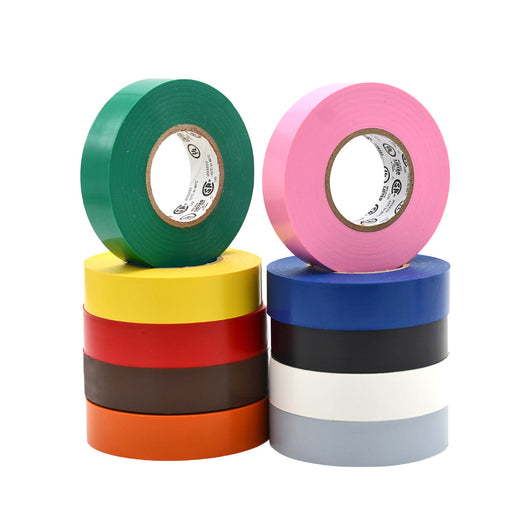 Original price $1.80 - Original price $401.70Original price $1.80 - Original price $401.70Original price $1.80As low as: $1.40$1.40 - $321.39Current price $1.40
Colored Electrical Tape - Standard Grade - 66 feet | ETC766MS
STANDARD GRADE ELECTRICAL TAPE Alternative to: Various industry standards such as Uline S-24477, S-17841, S-17842...
View full details -
 Original price $21.99 - Original price $579.99Original price $21.99 - Original price $579.99Original price $21.99As low as: $11.45$11.45 - $452.96Current price $11.45
Anti Slip Grip Tape | AST32
ANTI-SLIP GRIP TAPE Alternative to: Various industry standards such as Uline S-14682, S-17181, S-15798, 3M Safety ...
View full details -
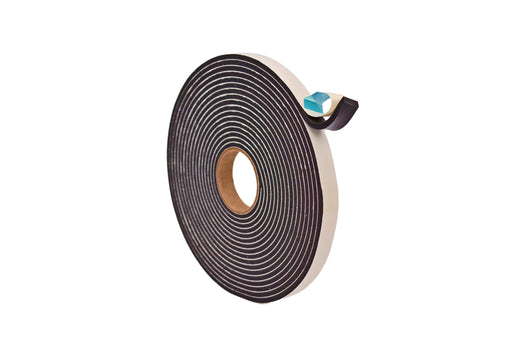 Original price $3.89 - Original price $627.20Original price $3.89 - Original price $627.20Original price $222.40As low as: $3.89$3.89 - $487.33Current price $3.89
Black PVC Foam Weather Stripping Tape | SSLDFT (Made in USA)
BLACK PVC FOAM STRIPPING TAPE Alternative to: Various industry standards such as Uline S-3791, S-10530, S-3792, S-1...
View full details -
 Original price $1.28 - Original price $209.45Original priceAs low as: $1.28$1.28 - $209.45Current price $1.28
5 Mil Vinyl Pinstripe Floor-Marking Tape - 36 yards | VTC365
VINYL PINSTRIPE FLOOR-MARKING TAPE Alternative to: Various industry standards such as Uline S-23886, S-23887, S-238...
View full details -
 Original price $4.80 - Original price $795.83Original priceAs low as: $4.80$4.80 - $795.83Current price $4.80
Engineering Grade Reflective Tape - 10 yards | RTC7
ENGINEERING GRADE REFLECTIVE TAPE Alternative to: Various industry standards such as Uline S-15789, S-6730, S-1579...
View full details -
 Original price $1.66 - Original price $601.04Original priceAs low as: $1.66$1.66 - $601.04Current price $1.66
Metalized Polyester Mylar Film Tape | MPFT1 (72 yd)
METALIZED TAPE - SHINY POLYESTER MYLAR FILM TAPE Alternative to: Various industry standards such as Uline 15881, 17...
View full details -
 Original price $10.29 - Original price $158.23Original priceAs low as: $10.29$10.29 - $158.23Current price $10.29
Industrial Grade - Colored Duct Tape - 60FT | DTC10 (2.5" to 6" wide)
INDUSTRIAL GRADE DUCT TAPE Alternative to: Various industry standards such as Uline S-6519, S-377; S-6519Tesa 6466...
View full details -
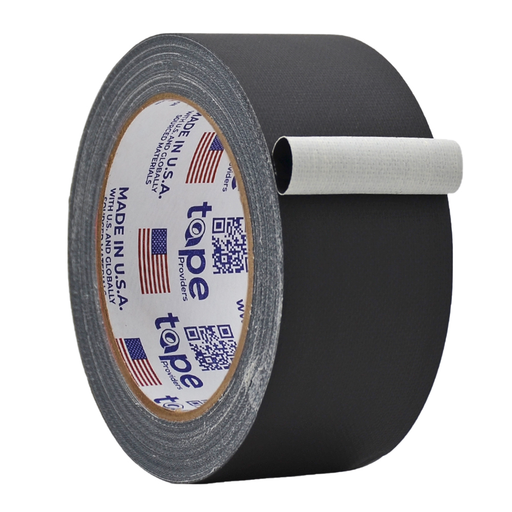 Original price $11.87 - Original price $446.40Original price $11.87 - Original price $446.40Original price $11.87As low as: $4.07$4.07 - $338.00Current price $4.07
Standard Grade - Colored Gaffer Tape - 60 FT | GTC12
STANDARD GRADE GAFFER TAPE Alternative to: Various industry standards such as Uline S-21257, S-21258, and more St...
View full details -
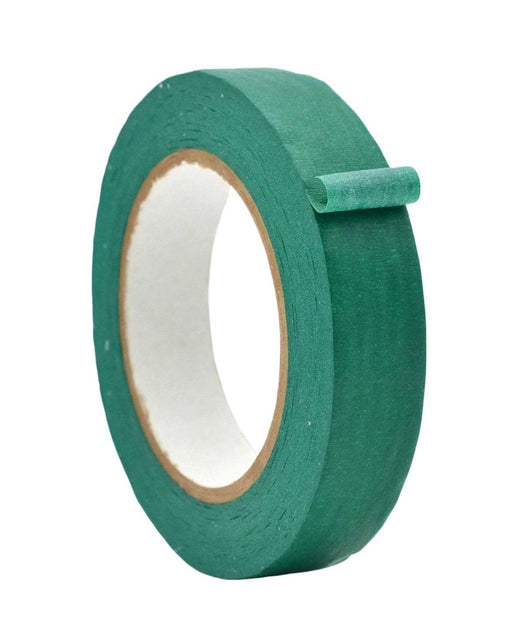 Original price $1.70 - Original price $254.26Original priceAs low as: $1.70$1.70 - $254.26Current price $1.70
Colored Masking Tape - All Purpose | MTC5 (Made in USA)
MTC5 COLORED MASKING TAPE Alternative to: Various industry standards such as Uline S-7161, S-15894, S-2489, S-2490,...
View full details -
 Original price $1.77 - Original price $151.77Original priceAs low as: $1.77$1.77 - $151.77Current price $1.77
Bi-Directional Filament Tape | BFST47
BI-DIRECTIONAL FILAMENT TAPE Alternative to: Various industry standards such as 3M 8959; IPG 745; Cantech 190; Sica...
View full details


Leave a comment