

Color Coding Systems That Actually Work: How Facilities Use Vinyl Tape to Organize, Warn, and Comply
In a busy facility, clear labeling helps avoid confusion and maintain safety. Unmarked floors, pipes, and equipment can lead to inefficiencies and safety hazards. A vinyl tape color coding system turns that chaos into order, so people know where to walk, where to store, where to stop, and what to avoid, without reading a manual.
Vinyl floor tape is one of the fastest ways to build that system. No paint fumes, no drying time, no weekend shutdown. You can mark a lane in minutes, change it next week, and keep the floor readable every day.
Start here: Shop 5 Mil Vinyl Floor-Marking Tape VTC365 | Request a free sample
Why Tape Beats Paint for Color Coding
Paint works, but it is slow and hard to change. Vinyl tape wins in most facilities because it is:
- Fast: Apply a straight lane in minutes, and walk on it right away
- Clean: No fumes, no masking, no curing, no cleanup
- Flexible: Peel and re-mark when layouts, lines, or storage zones change
- Visible: Bright, solid colors that read from across the floor
- Durable: Built to handle foot traffic, carts, and daily cleaning when applied well
Paint still makes sense for permanent outdoor lines. For indoor floors that change with seasons, products, and teams, tape is usually the better tool.
The Core System: 5 Jobs Every Color Code Must Do
A good system does not need 20 colors. It needs 5 clear jobs that everyone remembers:
1. Organize: Show Where Things Belong
Use one color for storage bays, pallet spots, and equipment parking. When the outline is empty, everyone knows something is missing. When the outline is full, everyone knows the bay is in use. That one habit cuts searching and double-handling.
2. Warn: Mark Hazards Before Someone Finds Them
Use a high-contrast color for steps, low clearance, pinch points, and areas where forklifts and people cross. Warning tape does not replace guards or training, but it makes the hazard visible from a distance.
3. Guide: Keep Traffic Moving
Use lines and arrow stickers to show one-way aisles, pedestrian walkways, and forklift lanes. People follow a line faster than they follow a sign.
4. Separate: Keep Work Zones Clean
Use color to separate production, packing, staging, and shipping. When zones are clear, material does not drift, tools do not wander, and quality checks happen in the right spot.
5. Comply: Make Safety Easy to See
Use color to mark fire equipment, first aid, exits, and keep-clear areas. The goal is simple: a new hire or a visitor should understand the floor in seconds, even without a tour. Always confirm your final color choices with your safety manager and your facility safety plan, since requirements vary by site.
A Practical Color Guide Facilities Actually Use
The table below shows common industry practice, not a universal OSHA mandate. Many facilities use these meanings because they are easy to teach and easy to remember. Pick one meaning per color, write it down, and use it the same way everywhere in your building.
| Color | Common Use in Facilities | Example on the Floor |
|---|---|---|
| Yellow | Walkways, traffic lanes, and caution | Pedestrian aisles and forklift lanes |
| White | Storage, equipment, and general marking | Pallet bays and machine outlines |
| Red | Fire, stop, and defects | Fire extinguisher keep-clear, scrap area |
| Orange | Warning and inspection | Parts to inspect, temporary hazards |
| Green | Safety and first aid | First aid station, safety equipment |
| Blue | Information and mandatory action | Notice areas, required PPE zones |
| Black / Yellow | Physical hazards and keep-clear | Steps, low clearance, pinch points |
| Black | General lanes and boundaries | Work cell borders |
Keep your list short. If your team needs a cheat sheet to remember 12 colors, the system is too complex. Start with 4 to 5 colors, master them, then add more only if you need them.
Which Vinyl Tape Should You Use?
For floor marking and color coding, start with our 5 Mil Vinyl Pinstripe Floor-Marking Tape VTC365, 36 yards. It is durable, easy to write on, and provides protection against moisture and vapor. It resists aging, sun exposure, water, fungus, bacteria, oils, acids, and chemicals, per the product page. It comes in 13 colors, including Yellow, White, Black, Clear, Red, Orange, Light Blue, Dark Blue, Gray, Purple, Emerald Green, Kelly Green, and Brown.
Need longer runs? Use 5 Mil Vinyl Floor-Marking Tape VTC605, 60 yards. It uses a synthetic rubber adhesive on a soft PVC film, 5.2 mils thick, with 18 oz per inch adhesion, 14 lbs per inch tensile strength, up to 140 F service temperature, and 150 percent elongation. That stretch helps it conform to slightly uneven floors and tight corners.
Need a heavier line for high-traffic areas? See 6 Mil Vinyl Floor-Marking Tape VTC366, 36 yards for a thicker option.
Shop the core tapes: Shop VTC365 36 yards | Shop VTC605 60 yards | Request a free sample
Shapes That Make the System Work
Straight lines are only half the system. Shapes tell people what to do at a glance.
 Shop Arrow Floor Marking Stickers VTCA
- Arrow Vinyl Floor Marking Stickers VTCA show direction in aisles, one-way lanes, and flow paths, without painting arrows
- DOT Vinyl Floor Marking Stickers VTCD mark spots for pallets, carts, social distancing, or inspection points
- Straight vinyl tape in 1/2 inch to 6 inch widths marks lanes, bays, and borders
Use arrows at every turn and intersection. A line without an arrow leaves people guessing which way to go.
 Shop DOT Floor Marking Stickers VTCD
How to Apply Vinyl Tape So It Actually Sticks
Most tape failures are prep failures, not tape failures. Follow these steps:
- Sweep and mop the floor, then let it dry fully. Tape does not bond well to dust, oil, or wet concrete.
- Mark your line with chalk or a light pencil first, so the tape goes down straight.
- Apply in short sections, press firmly, and avoid stretching the tape as you lay it.
- At corners, cut and overlap cleanly instead of pulling the tape around a sharp turn.
- Roll the tape with a floor roller or press hard with your foot to get full contact.
- Keep traffic off the new line for as long as you can, ideally a few hours, so the adhesive sets.
On rough or dusty concrete, test a small section first. If the tape lifts, clean again or consider a primer approved for your floor. When in doubt, request a free sample and test it on your actual floor.
Make It Stick: Maintenance and Training
A color code only works if it stays readable and everyone follows it.
- Post a one-page color legend at entrances, break rooms, and near the floor plan
- Walk the floor weekly and replace worn, peeling, or dirty sections fast
- Train new hires on day one: walk the colors, not just the handbook
- Audit monthly: check lanes, keep-clear zones, and fire equipment markings
- When you change a layout, change the tape the same day, not next month
If a color keeps peeling in one spot, it is telling you something. Check for oil, moisture, forklift turning, or a cleaning chemical that is breaking the bond. Fix the cause, then re-mark.
Try It First: Request a Free Sample
Want to test vinyl tape on your floor before you mark the whole building? Request a free sample and try it on your actual concrete, tile, or epoxy.
Go to Request A FREE Sample, enter the SKU of the product you want to test, add it to cart, and check out. Samples are free, but shipping is not included. Samples are for testing purposes, up to 4 inches wide and about 10 to 15 feet long.
Get started: Request your free sample here
Complete Your Color Coding Kit
- VTC365 Vinyl Tape, 36 yards for most indoor lanes and zones
- VTC605 Vinyl Tape, 60 yards for longer runs with fewer roll changes
- Arrow Stickers VTCA for direction and flow
- DOT Stickers VTCD for spots, stops, and inspection points
- Full pallet ordering if you need bulk stock for a large facility rollout
Questions? Talk to Our Team
Learn more about Tape Providers, check our FAQ and shipping information, or contact us for help choosing colors, widths, and quantities for your facility. You can also reach us on our contact page.
Final Thoughts
Color coding works when it is simple, consistent, and visible. Pick 4 to 5 colors, give each one a single job, mark the floor cleanly, post the legend, and maintain it.
Vinyl tape makes that system fast to install and easy to change. That is why facilities use it to organize, warn, and comply, without shutting down the floor to paint.
If you are unsure which vinyl tape, width, or colors fit your facility, our team can help you build a system that your team will actually follow.
Contact Tape Providers for product recommendations and technical support.
Ready to start? Shop VTC365 Vinyl Tape | Shop Arrow Stickers | Request a free sample
Product Catalog
-
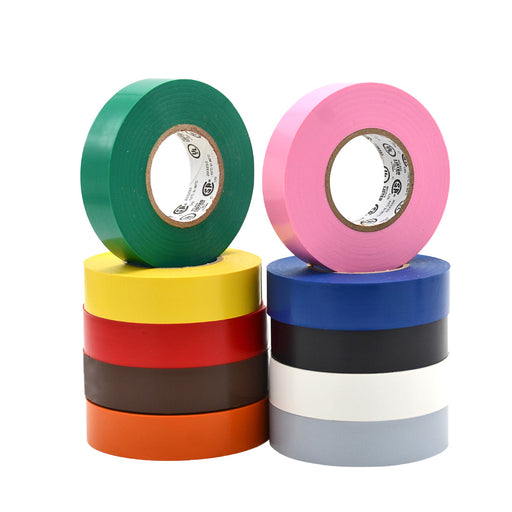 Original price $1.80 - Original price $401.70Original price $1.80 - Original price $401.70Original price $1.80As low as: $1.40$1.40 - $321.39Current price $1.40
Colored Electrical Tape - Standard Grade - 66 feet | ETC766MS
STANDARD GRADE ELECTRICAL TAPE Alternative to: Various industry standards such as Uline S-24477, S-17841, S-17842...
View full details -
 Original price $21.99 - Original price $579.99Original price $21.99 - Original price $579.99Original price $21.99As low as: $11.45$11.45 - $452.96Current price $11.45
Anti Slip Grip Tape 20 Yards | AST32
ANTI-SLIP GRIP TAPE Alternative to: Various industry standards such as Uline S-14682, S-17181, S-15798, 3M Safety ...
View full details -
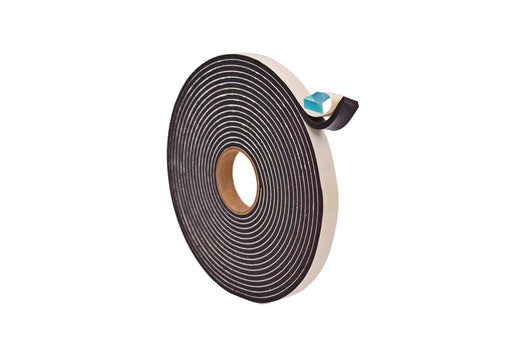 Original price $3.89 - Original price $627.20Original price $3.89 - Original price $627.20Original price $222.40As low as: $3.89$3.89 - $487.33Current price $3.89
Black PVC Foam Weather Stripping Tape | SSLDFT (Made in USA)
BLACK PVC FOAM STRIPPING TAPE Alternative to: Various industry standards such as Uline S-3791, S-10530, S-3792, S-1...
View full details -
 Original price $1.28 - Original price $209.45Original priceAs low as: $1.28$1.28 - $209.45Current price $1.28
5 Mil Vinyl Pinstripe Floor-Marking Tape - 36 yards | VTC365
VINYL PINSTRIPE FLOOR-MARKING TAPE Alternative to: Various industry standards such as Uline S-23886, S-23887, S-238...
View full details -
 Original price $4.80 - Original price $795.83Original priceAs low as: $4.80$4.80 - $795.83Current price $4.80
Engineering Grade Reflective Tape - 10 yards | RTC7
ENGINEERING GRADE REFLECTIVE TAPE Alternative to: Various industry standards such as Uline S-15789, S-6730, S-1579...
View full details -
 Original price $1.66 - Original price $601.04Original priceAs low as: $1.66$1.66 - $601.04Current price $1.66
Metalized Polyester Mylar Film Tape | MPFT1 (72 yd)
METALIZED TAPE - SHINY POLYESTER MYLAR FILM TAPE Alternative to: Various industry standards such as Uline 15881, 17...
View full details -
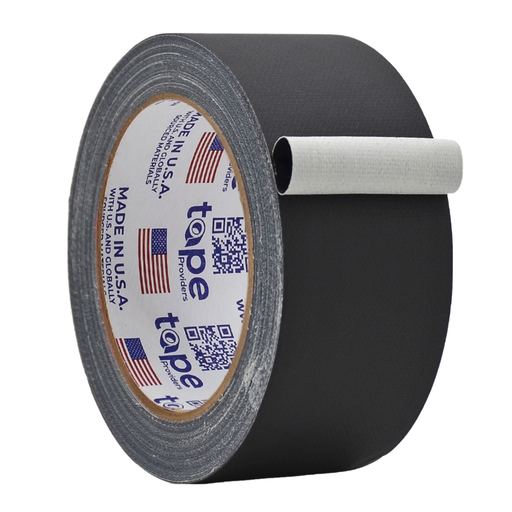 Original price $11.87 - Original price $446.40Original price $11.87 - Original price $446.40Original price $11.87As low as: $4.07$4.07 - $338.00Current price $4.07
Standard Grade - Colored Gaffer Tape - 60 FT | GTC12
STANDARD GRADE GAFFER TAPE Alternative to: Various industry standards such as Uline S-21257, S-21258, and more St...
View full details -
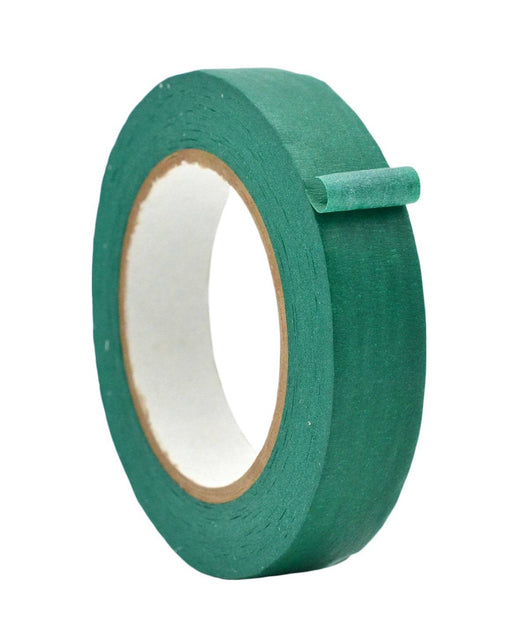 Original price $1.70 - Original price $254.26Original priceAs low as: $1.70$1.70 - $254.26Current price $1.70
Colored Masking Tape - All Purpose | MTC5 (Made in USA)
MTC5 COLORED MASKING TAPE Alternative to: Various industry standards such as Uline S-7161, S-15894, S-2489, S-2490,...
View full details -
 Original price $1.77 - Original price $151.77Original priceAs low as: $1.77$1.77 - $151.77Current price $1.77
Bi-Directional Filament Tape | BFST47
BI-DIRECTIONAL FILAMENT TAPE Alternative to: Various industry standards such as 3M 8959; IPG 745; Cantech 190; Sica...
View full details -
 Original price $259.45Original price $13.23 - Original price $259.45Original price $259.45As low as: $13.23$13.23 - $244.17Current price $13.23
Matte Black Aluminum Foil Tape With Liner | AFTB20A (2 Mil, 27 yd)
PREMIUM GRADE BLACK MATTE ALUMINUM FOIL TAPE WITH LINER Key Features: Matte Black Finish: Non-reflective, absorbs l...
View full details


Leave a comment