

Green vs Blue Painters Tape - Which is the Best Choice?
When it comes to painting projects, painter's tape is one of the most essential tools you can have in your toolkit. Whether you're a professional painter or a DIY enthusiast, the right painter's tape helps create clean, crisp lines while protecting nearby surfaces from accidental drips, overspray, and splatters.
With so many options available, it can be difficult to determine which painter's tape is best for your project. In this guide, we'll compare green vs. blue painter's tape, explain their differences, and help you choose the right option based on the surface, application, and duration of your painting project.
Shop the Painter's Tapes Featured in This Guide
Ready to get started? Explore the painter's tapes discussed in this article.
Blue Painter's Tape
A versatile choice for indoor painting, trim work, walls, baseboards, glass, metal, and other smooth surfaces.
Green Painter's Tape
A strong option for outdoor painting, longer masking applications, and projects requiring greater resistance to sunlight and changing conditions.
First, let's examine the main differences between green and blue painter's tape.

Green Painter's Tape
Green painter's tape is a type of masking tape specifically designed for demanding painting and surface-protection applications. It typically uses a crepe paper backing coated with a pressure-sensitive adhesive that provides dependable adhesion while still allowing clean removal when used according to the product instructions.
One of the main benefits of green painter's tape is its durability. It is generally designed to remain securely attached during longer projects and may be better suited for applications exposed to sunlight, outdoor conditions, or changing temperatures.

Green painter's tape can be used on many common surfaces, including properly cured painted walls, wood, metal, glass, and selected outdoor surfaces. Depending on the specific tape construction, it may also perform well on slightly uneven surfaces because the crepe paper backing can conform around curves and irregular areas.
It is also easy to handle and can usually be torn by hand, making it simple to position around trim, corners, doors, windows, and other detailed areas.
Recommended for Outdoor and Longer-Term Projects
Choose green painter's tape when you need dependable masking performance for outdoor work, extended projects, or surfaces exposed to sunlight.

Blue Painter's Tape
Blue painter's tape is one of the most widely used masking products for residential, commercial, and DIY painting projects. Like green painter's tape, it typically uses a flexible crepe paper backing with a pressure-sensitive adhesive.
One of the main advantages of blue painter's tape is its versatility. It is commonly used for indoor painting, trim work, baseboards, walls, glass, metal, and other smooth or lightly textured surfaces.
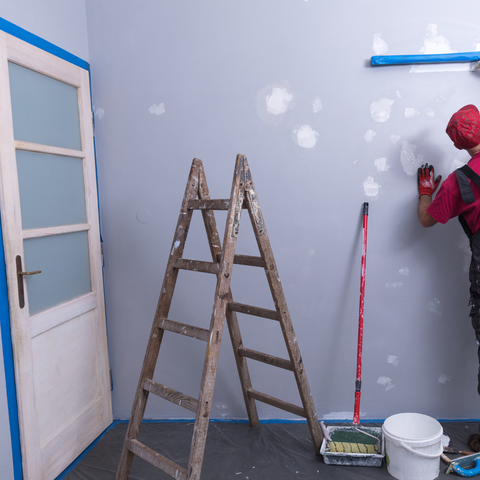
Blue painter's tape provides a reliable seal along edges, helping reduce paint bleed and create sharper lines. It is an excellent choice for shorter-term projects and general interior painting applications.
However, users should always consider the surface condition before application. Fresh paint should be fully cured, and delicate or weakly bonded coatings should be tested in an inconspicuous area before the tape is applied across the entire surface.
Blue painter's tape is also easy to tear by hand and simple to position around trim, outlets, hardware, windows, and decorative details.
Recommended for Interior Painting and General Masking
Choose blue painter's tape for walls, trim, baseboards, glass, metal, and everyday indoor painting projects.
Green vs. Blue Painter's Tape Comparison
| Feature | Blue Painter's Tape | Green Painter's Tape |
|---|---|---|
| Best Use | General indoor painting and masking | Outdoor and more demanding masking projects |
| Typical Project Duration | Short- to medium-term projects | Medium- to longer-term projects |
| Indoor Use | Excellent | Very good |
| Outdoor Use | Suitable for selected applications | Generally the better choice |
| Smooth Surfaces | Excellent | Excellent |
| Uneven Surfaces | Good, depending on texture | Often better suited for demanding surfaces |
| Shop Product | Shop Blue Painter's Tape | Shop Green Painter's Tape |
The Verdict: Which Painter's Tape Should You Choose?
The best painter's tape depends on the specific needs of your project, including the surface type, whether the project is indoors or outdoors, how long the tape will remain in place, and the level of adhesion required.
Green painter's tape is generally the better option for outdoor applications, longer projects, or situations where the tape may be exposed to sunlight and changing environmental conditions.
Blue painter's tape is usually the preferred choice for interior painting, trim work, walls, baseboards, and other general masking applications. It offers dependable performance and is easy to use for both professional painters and DIY projects.
Regardless of which tape you choose, always clean the surface before application, press the tape firmly along the edge, and remove it carefully at the recommended time. You can also review these painter's tape best practices to improve your final results.
Ready to Start Your Painting Project?
Choose the painter's tape that best matches your surface, environment, and project duration.
Frequently Asked Questions
What is the main difference between green and blue painter's tape?
Blue painter's tape is commonly used for general indoor painting and masking, while green painter's tape is often selected for outdoor use, longer applications, and more demanding environmental conditions.
Which painter's tape is best for interior walls?
Blue painter's tape is an excellent choice for most properly cured interior walls, trim, baseboards, windows, and other common indoor surfaces.
Which painter's tape is best for outdoor projects?
Green painter's tape is generally the better choice for outdoor painting projects, especially when the tape may be exposed to sunlight or changing weather conditions.
Can painter's tape damage painted walls?
Painter's tape may damage weak, uncured, peeling, or poorly bonded paint. Always make sure the paint is fully cured and test the tape on a small, inconspicuous area before beginning the full project.
How do I prevent paint from bleeding under the tape?
Apply the tape to a clean, dry surface and press the edge down firmly. Avoid stretching the tape during application, and remove it carefully before the paint becomes excessively hard or brittle.
Can I leave painter's tape on for several days?
The recommended removal time depends on the specific tape and application conditions. Green painter's tape is often better suited for longer projects, but users should always follow the product specifications and removal instructions.
Find the Right Tape for Your Next Project
Whether you're completing a quick interior refresh or preparing for a larger outdoor painting job, choosing the correct painter's tape can help you achieve cleaner lines and more professional-looking results.
Product Catalog
-
 Original price $1.80 - Original price $401.70Original price $1.80 - Original price $401.70Original price $1.80As low as: $1.40$1.40 - $321.39Current price $1.40
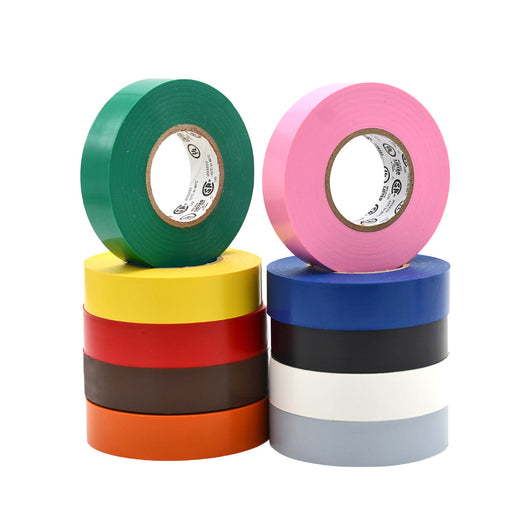
Colored Electrical Tape - Standard Grade - 66 feet | ETC766MS
STANDARD GRADE ELECTRICAL TAPE Alternative to: Various industry standards such as Uline S-24477, S-17841, S-17842...
View full details -
 Original price $21.99 - Original price $579.99Original price $21.99 - Original price $579.99Original price $21.99As low as: $11.45$11.45 - $452.96Current price $11.45
Anti Slip Grip Tape | AST32
ANTI-SLIP GRIP TAPE Alternative to: Various industry standards such as Uline S-14682, S-17181, S-15798, 3M Safety ...
View full details -
 Original price $3.89 - Original price $627.20Original price $3.89 - Original price $627.20Original price $222.40As low as: $3.89$3.89 - $487.33Current price $3.89
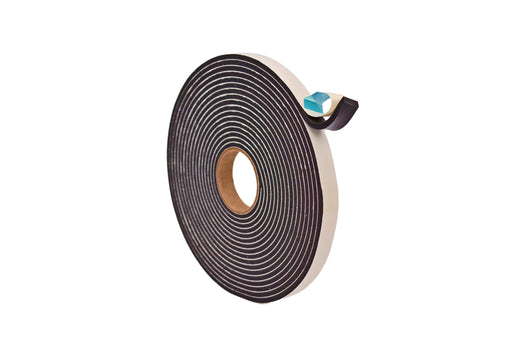
Black PVC Foam Weather Stripping Tape | SSLDFT (Made in USA)
BLACK PVC FOAM STRIPPING TAPE Alternative to: Various industry standards such as Uline S-3791, S-10530, S-3792, S-1...
View full details -
 Original price $1.28 - Original price $209.45Original priceAs low as: $1.28$1.28 - $209.45Current price $1.28
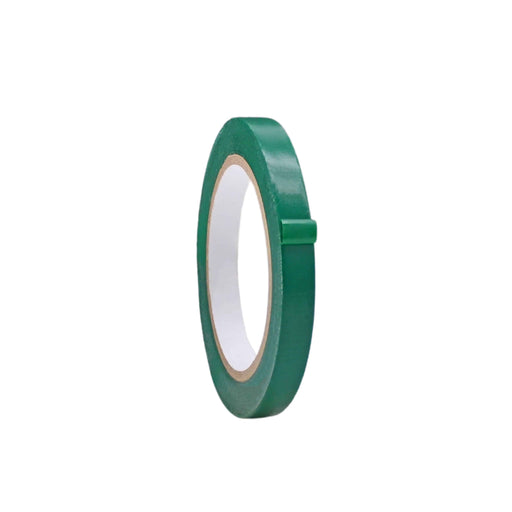
5 Mil Vinyl Pinstripe Floor-Marking Tape - 36 yards | VTC365
VINYL PINSTRIPE FLOOR-MARKING TAPE Alternative to: Various industry standards such as Uline S-23886, S-23887, S-238...
View full details -
 Original price $4.80 - Original price $795.83Original priceAs low as: $4.80$4.80 - $795.83Current price $4.80
Engineering Grade Reflective Tape - 10 yards | RTC7
ENGINEERING GRADE REFLECTIVE TAPE Alternative to: Various industry standards such as Uline S-15789, S-6730, S-1579...
View full details -
 Original price $1.66 - Original price $601.04Original priceAs low as: $1.66$1.66 - $601.04Current price $1.66
Metalized Polyester Mylar Film Tape | MPFT1 (72 yd)
METALIZED TAPE - SHINY POLYESTER MYLAR FILM TAPE Alternative to: Various industry standards such as Uline 15881, 17...
View full details -
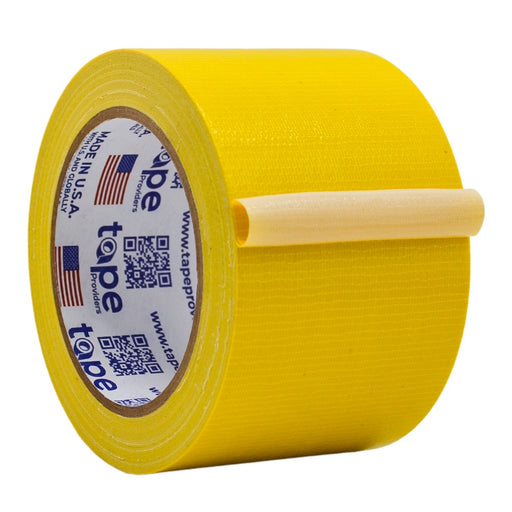 Original price $10.29 - Original price $158.23Original priceAs low as: $10.29$10.29 - $158.23Current price $10.29
Industrial Grade - Colored Duct Tape - 60FT | DTC10 (2.5" to 6" wide)
INDUSTRIAL GRADE DUCT TAPE Alternative to: Various industry standards such as Uline S-6519, S-377; S-6519Tesa 6466...
View full details -
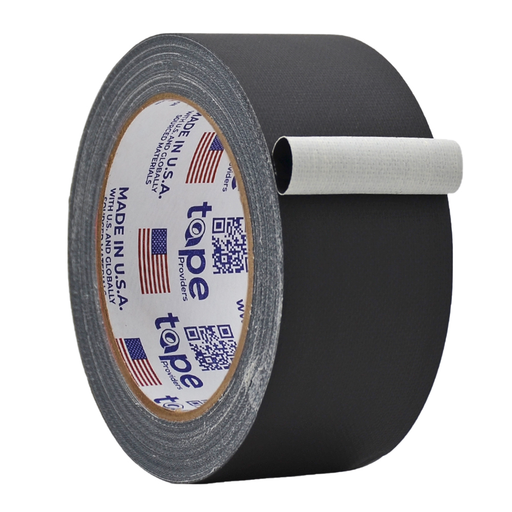 Original price $11.87 - Original price $446.40Original price $11.87 - Original price $446.40Original price $11.87As low as: $4.07$4.07 - $338.00Current price $4.07
Standard Grade - Colored Gaffer Tape - 60 FT | GTC12
STANDARD GRADE GAFFER TAPE Alternative to: Various industry standards such as Uline S-21257, S-21258, and more St...
View full details -
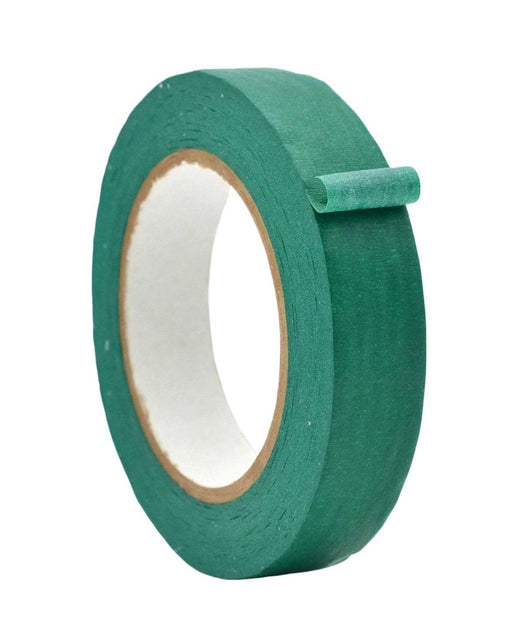 Original price $1.70 - Original price $254.26Original priceAs low as: $1.70$1.70 - $254.26Current price $1.70
Colored Masking Tape - All Purpose | MTC5 (Made in USA)
MTC5 COLORED MASKING TAPE Alternative to: Various industry standards such as Uline S-7161, S-15894, S-2489, S-2490,...
View full details -
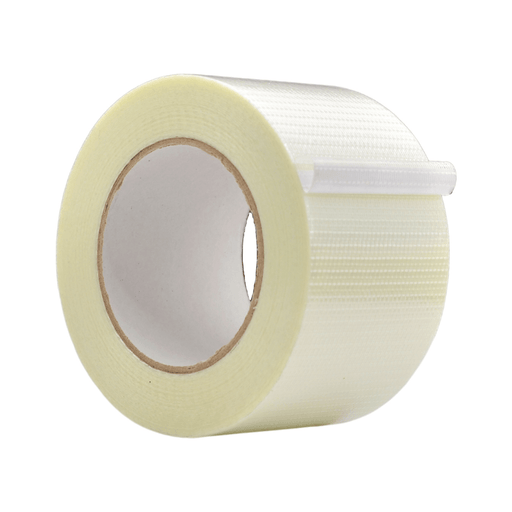 Original price $1.77 - Original price $151.77Original priceAs low as: $1.77$1.77 - $151.77Current price $1.77
Bi-Directional Filament Tape | BFST47
BI-DIRECTIONAL FILAMENT TAPE Alternative to: Various industry standards such as 3M 8959; IPG 745; Cantech 190; Sica...
View full details


Leave a comment